Your first home hydrosol run should feel exciting, but it should also feel realistic. Botanical steam distillation is a hands-on process, not a magic button. A good first run is not defined by a large essential oil layer or a perfect social media photo. It is defined by understanding the setup, using suitable botanicals, following safety guidance, collecting hydrosol, and learning from the result.
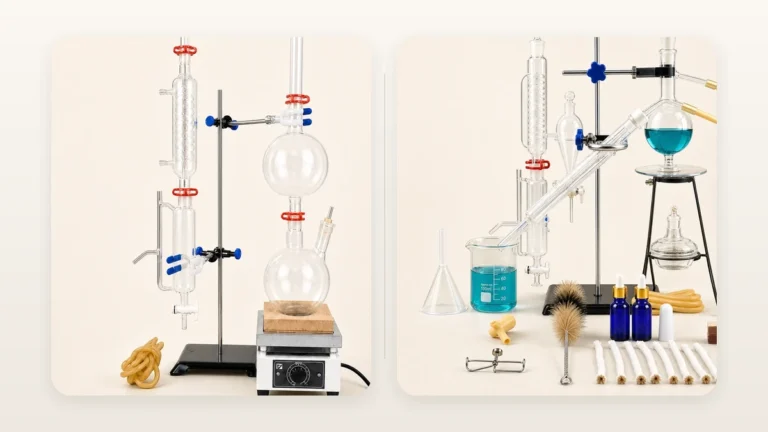
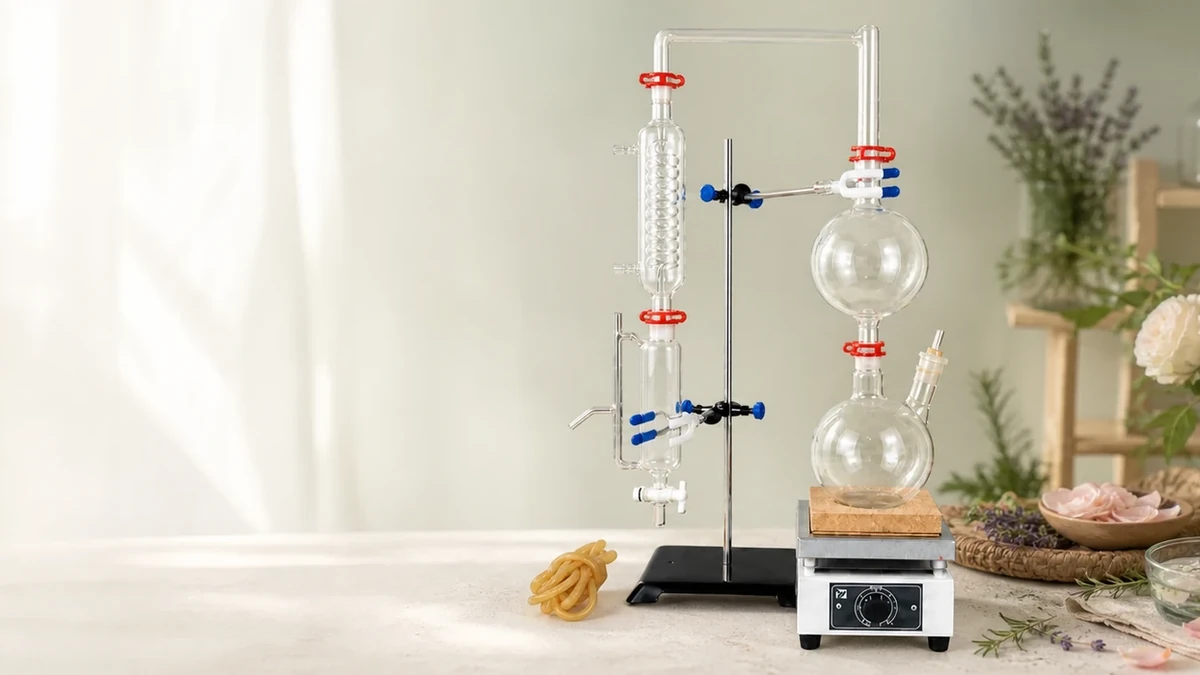
Trucey’s Home Hydrosol Starter Kit is designed for beginners who want a clearer starting point. Many first-time makers are interested in rose water, lavender hydrosol, mint floral water, or rosemary distillate, but they are not sure what equipment they need or what outcome is reasonable. The first thing to know is simple: hydrosol is the primary beginner result. Essential oil visibility varies naturally and should not be treated as a guaranteed outcome.
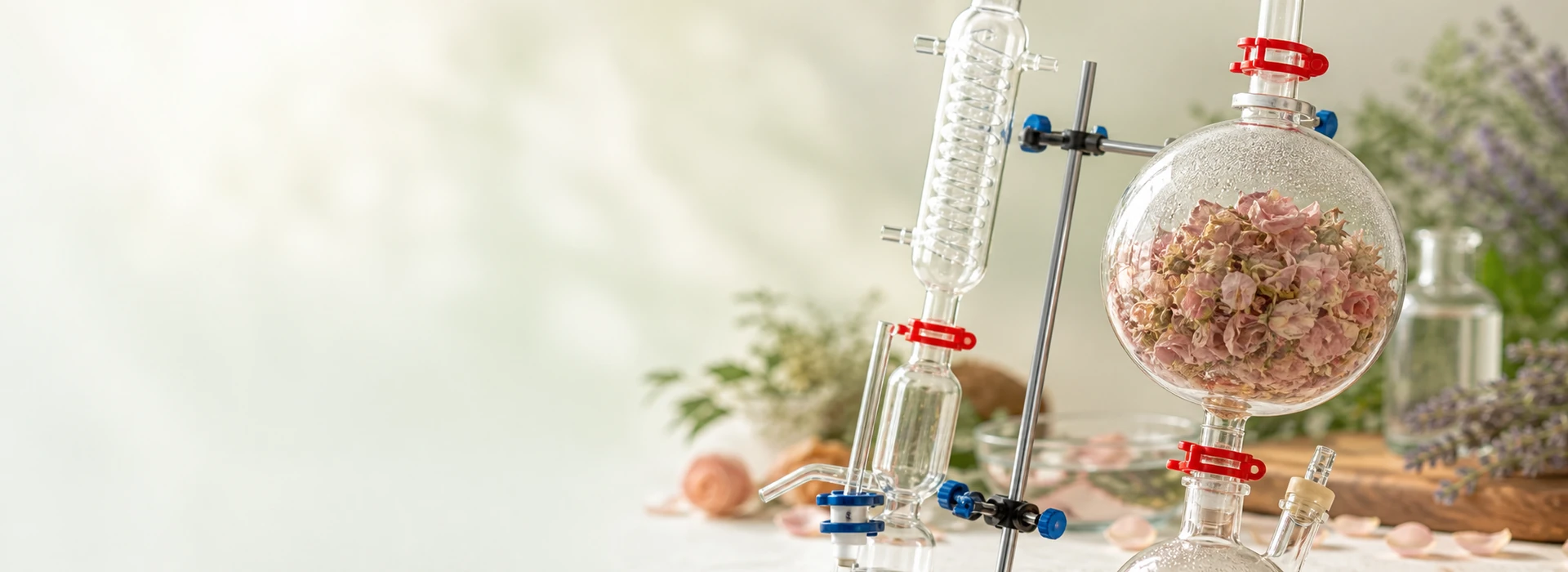
Before your first run, choose the botanical carefully. Beginner-friendly options often include rose petals, lavender, mint, and rosemary, but you should only use suitable, correctly identified plant material. Avoid unknown plants, treated flowers, or anything you cannot verify. The fresher and more suitable the botanical material is, the more meaningful the experiment will feel.
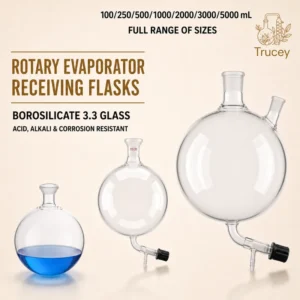
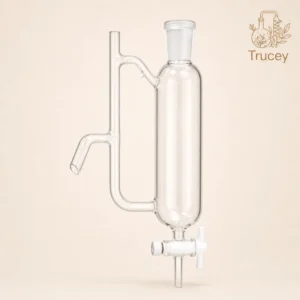
Next, check the setup before adding heat. Make sure every glass joint is seated correctly, all outlets are clear, tubing is connected as instructed, and the collection area is ready. A beginner should not rush this stage. A calm setup check can prevent confusion once steam begins moving through the apparatus.
During the run, observe instead of forcing the process. Botanical distillation depends on heat, vapor movement, cooling, and collection. If the setup includes a condenser, cooling water flow should be managed according to the guide. The purpose is to cool the vapor so it returns to liquid form. Watching the first drops collect can be the most satisfying part of the experiment.
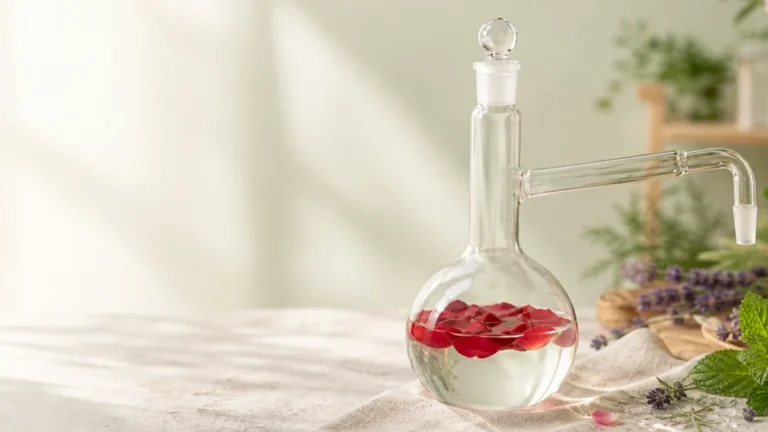
What should you expect from the result? Expect hydrosol first. The aroma may be gentle rather than strong. The volume and scent can vary depending on the plant, the amount used, and the conditions of the run. A visible oil layer may or may not appear. If it does not appear, that does not mean the experiment failed. For many botanicals, especially in small beginner batches, hydrosol is the main result.
After the run, let the equipment cool before handling or cleaning. Hot glass and hot surfaces can cause burns. Read the manual, follow the cleaning guidance, and inspect the glassware carefully. If anything looks damaged or unstable, do not continue using it.
It is also important to keep the purpose of the kit clear. Trucey supports non-alcoholic botanical steam distillation only. The kit is not intended for alcohol distillation, solvent recovery, medical use, or therapeutic claims. Beginners should use it as an educational and botanical craft experience, not as a shortcut to exaggerated results.
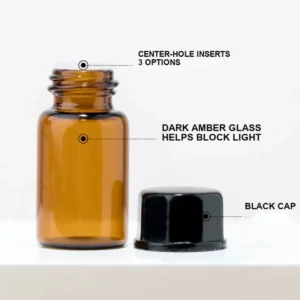
The best first run is a learning run. Take notes on the plant used, water amount, approximate timing, scent, collected liquid, and anything you want to improve next time. With every run, you will become more familiar with the equipment and the behavior of different botanicals.
Home hydrosol making is slow, visible, and satisfying when approached with patience. Trucey is here to help make that process easier to begin.